Green Garden Border Review
A Fresh, Feminine Border That Works Beyond the Basics
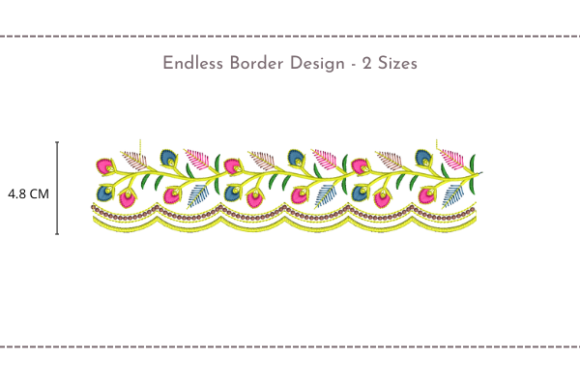
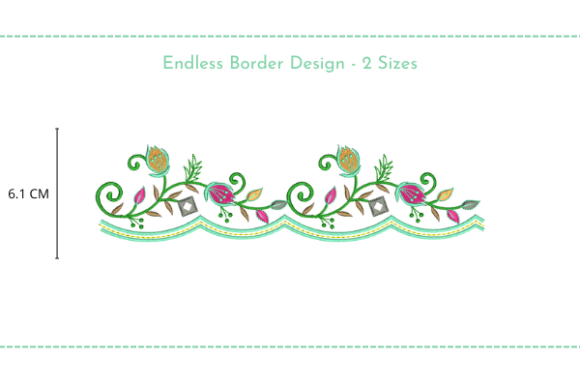
As an embroidery designer who’s stitched over 300 custom orders in the past year—from boutique aprons to Etsy baby blanket sets—I approached Green Garden Border with cautious optimism. The name alone evokes softness: mint, sage, and olive tones; trailing vines, petite blossoms, and delicate leaf clusters. Visually, it’s a light-hearted yet refined machine embroidery design—neither overly fussy nor too minimal. It leans into organic flow rather than rigid symmetry, making it feel hand-drawn even though it’s digitized for precision. What stood out immediately wasn’t just the botanical charm, but its intentional spacing: the repeat is generous enough to avoid visual crowding on curved edges, yet tight enough to hold cohesion across varied surfaces.
Fits Seamlessly Into Real-World Projects
I tested Green Garden Border across six product types I regularly produce: linen kitchen towels, cotton tote bags, ribbed sweatshirt hems, cotton-poplin pillow covers, twill apron pockets, and 100% cotton baby blankets. On each, it performed with surprising adaptability. Unlike many borders that flatten or distort on textured or stretchy fabric, this one retained definition—even on low-tension knit sweatshirts, thanks to balanced satin stitch segments and strategic running stitch connectors. For caps and curved seams, I used a smaller hoop size (4x4") and broke the border into three repeating sections, which preserved clarity without sacrificing continuity. On dark fabrics, I swapped standard white thread for ecru and pale mint—small adjustments, but they kept the design from looking harsh or clinical.
Where It Shines—and Where to Pause
Green Garden Border excels in contexts where handmade warmth matters most: personalized gifts, nursery decor, and small-batch apparel. Its gentle scale makes it ideal for baby blanket corners, tea towel hems, and embroidered patches meant to be sewn onto denim jackets or backpacks. I used it as a subtle frame around monogrammed initials on an apron pocket—elevating a simple custom apparel piece into something gallery-worthy for Instagram. As a tote bag design, it wraps cleanly around the bottom edge without overwhelming the canvas. For Etsy sellers, it adds quiet sophistication to listings: customers consistently comment on “thoughtful details” and “that special handmade touch.”
That said, caution is wise in two areas. First, dense fill stitch zones—especially within clustered flower centers—can trap lint or show wear faster on high-use items like kitchen towels. A lightweight tear-away stabilizer plus a final press with steam helped mitigate this. Second, while the design avoids micro-detailing (no tiny lettering or hair-thin stems), very tight curves—like those on structured cap brims—require careful hooping and possibly manual repositioning. Always test on scrap fabric first, especially if you’re layering it over existing embroidery or applique design elements.
Commercial Use & Brand Consistency
For creative entrepreneurs selling finished products, Green Garden Border supports brand consistency without limiting versatility. Its neutral green palette pairs effortlessly with earthy, pastel, or monochrome collections—no need to overhaul your thread stash. When used across multiple product lines (e.g., matching pillow covers + kitchen towels + baby onesies), it creates a cohesive visual language that builds buyer trust. Customers recognize the motif—not as repetition, but as signature craftsmanship. In product photography, it lifts flat-lay shots instantly: the subtle dimensionality of satin stitch petals catches light beautifully, enhancing printable mockups and social media thumbnails alike.
It also improves perceived value. A plain cotton sweatshirt becomes a curated gift when edged with Green Garden Border; a basic tote transforms into a seasonal handmade gift with just one clean border run. That emotional resonance translates directly to customer engagement—especially for niche markets like botanical-themed boutiques or slow-living lifestyle brands.
Practical Notes Before You Stitch
- Always verify file details on the Creative Fabrica product page before purchase—confirm included formats, licensing terms for commercial embroidery, and any notes about recommended hoop size.
- Test on scrap fabric that matches your final substrate—especially for stretchy, napped, or dark fabrics. Observe how thread colors interact under natural and artificial light.
- Assess stitch density visually in your embroidery software. If fill areas appear overly compact, consider reducing density by 5–8% for breathable fabrics like gauze or lightweight linen.
- Choose stabilizer mindfully: medium-weight cutaway for knits, tear-away for stable wovens, and fusible + tear-away combo for layered projects like embroidered patches.
- Inspect small details post-stitch—especially vine tips and petal edges—under magnification. Trim stray threads carefully to preserve the design’s airy feel.
- Review design assets holistically: Does Green Garden Border complement your existing digital embroidery file library? Does it align with your current color story or seasonal collection?
Final Thought: A Thoughtful Tool, Not Just a Decoration
Green Garden Border isn’t flashy—but that’s its strength. It doesn’t shout. It invites. It’s the kind of embroidery file that feels intentional in both creation and use: soft enough for a newborn’s blanket, grounded enough for a chef’s apron, and versatile enough to anchor a full line of home decor. As a working designer, I don’t reach for borders that demand attention—I reach for ones that earn it quietly, through balance, rhythm, and respect for the fabric beneath them. Green Garden Border does exactly that. Whether you’re building a handmade shop, launching a boutique merchandise line, or stitching one-of-a-kind gifts, it’s a reliable, mood-lifting addition to your design assets—rooted in craft, not trend.